


Strategy
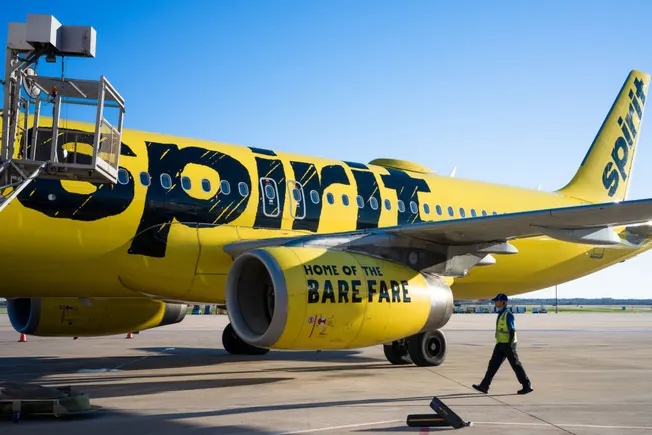
When a brand ceases to exist, customer experience management is often neglected, but how it is handled directly impacts asset sale value and customer retention. Experts point out that CX strategies in full shutdown scenarios differ significantly from those in mergers and acquisitions: the former requires seizing the final communication window during bankruptcy liquidation, while the latter involves bridging brand positioning gaps and preventing customer churn. This article analyzes common mistakes and response frameworks using cases such as Spirit Airlines' shutdown and Hudson's Bay's liquidation.
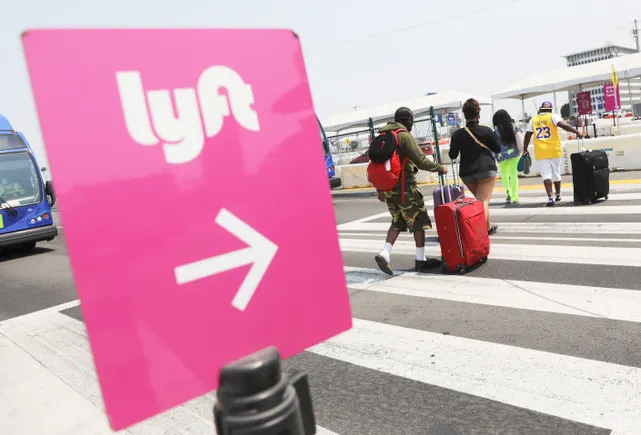
The loyalty program partnership announced by United Airlines and Lyft this spring sets a precedent for direct mileage redemption for rides between a U.S. airline and a ride-hailing platform. Experts believe that, given the absence of direct competition between the two, this model is likely to achieve a win-win outcome. For United Airlines, the move can accelerate member point redemption and attract low-frequency travelers; for Lyft, it can leverage business travel scenarios to boost average order value and order volume. Industry analysts suggest that brands should focus on complementarity and phased goals when expanding such partnerships.
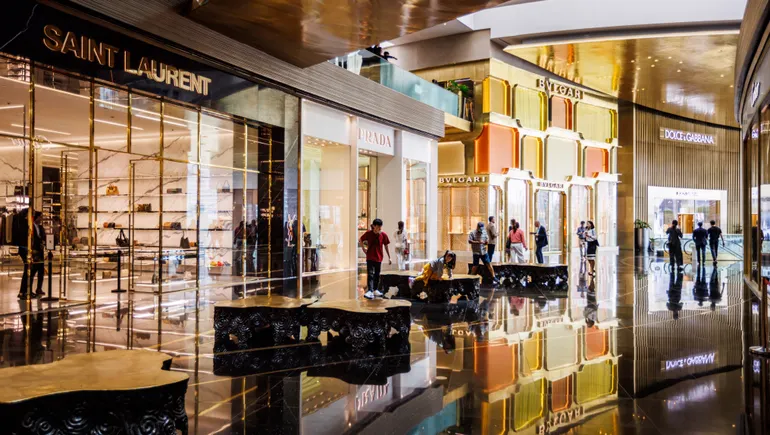
An EY survey of more than 1,600 high-income consumers across 11 markets shows that physical stores remain the preferred purchase channel for aspirational luxury consumers, with significantly higher satisfaction than brand websites. The attentive service, human interaction, and style advice offered in stores are core attractions, while AI technology is seen as a supporting tool that can enhance the shopping experience.
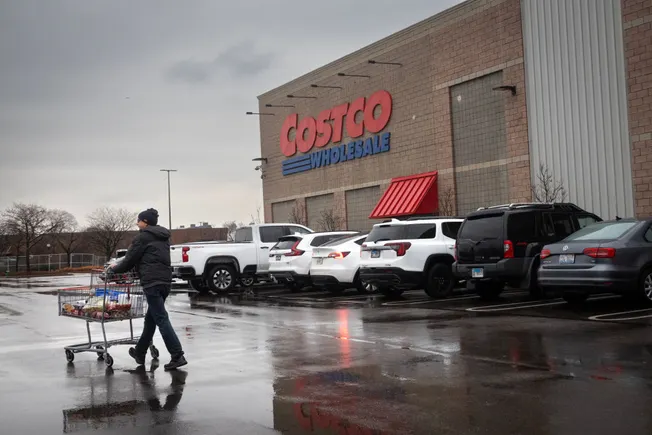
The U.S. Supreme Court ruled that tariffs imposed by the Trump administration under the International Emergency Economic Powers Act were unlawful, and the Court of International Trade ordered refunds exceeding $166 billion. Experts say most consumers cannot calculate the refund amounts but will focus on whether companies proactively communicate and handle the matter fairly.
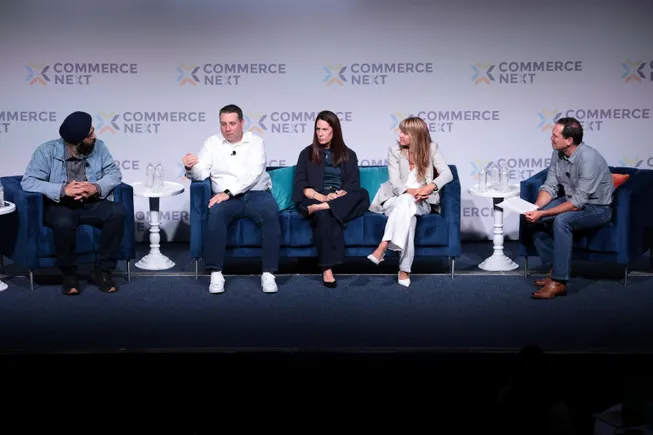
At the CommerceNext Growth Show held in New York, executives from companies such as Ulta Beauty, Stitch Fix, Tapestry, and Boot Barn pointed out that omnichannel retail has moved beyond a simple combination of online and in-store, now integrating AI agents and generative search. They agreed that regardless of technological iterations, customer experience and brand consistency, anchored by loyalty programs, remain the core drivers of sales.
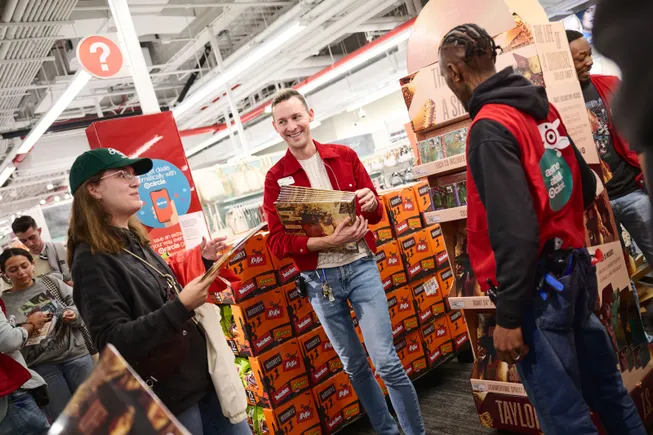
The latest report from JKR and Kantar points out that customer experience is the core cornerstone of brand equity, with direct and indirect experiences contributing 71% of brand equity, while paid media accounts for only 28%. Brands that improve customer experience see their likelihood of market share growth increase to 2.5 times. Experts emphasize that advertising cannot replace real experiences, and long-term customer engagement is the driver of brand loyalty.
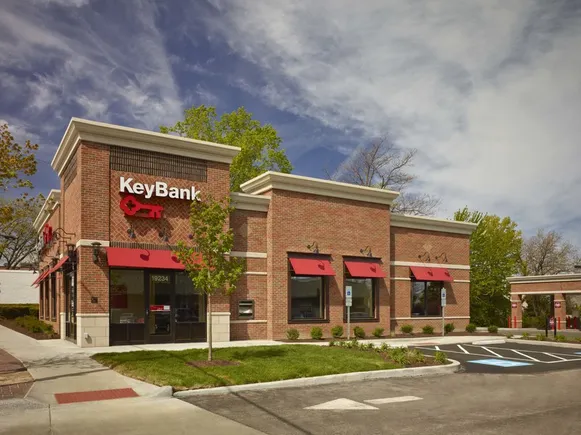
Emily Gessner, head of KeyBank's consumer digital business, stated that the bank is adopting a 'fast follower' stance, leveraging upcoming personalized insights features, a mobile-app-specific strategy, and AI assistant planning to address the industry inflection point facing regional banks. In the coming month, she will transition to lead the commercial digital business.
Kroger CEO Greg Foran noted on the Q1 2026 earnings call that the company is working to narrow the experience gap between its best-performing stores and others by investing in employees, technology, and simplifying promotional strategies, aiming to create a faster, friendlier, and more consistent customer experience to attract consumers in an environment of more cautious spending.
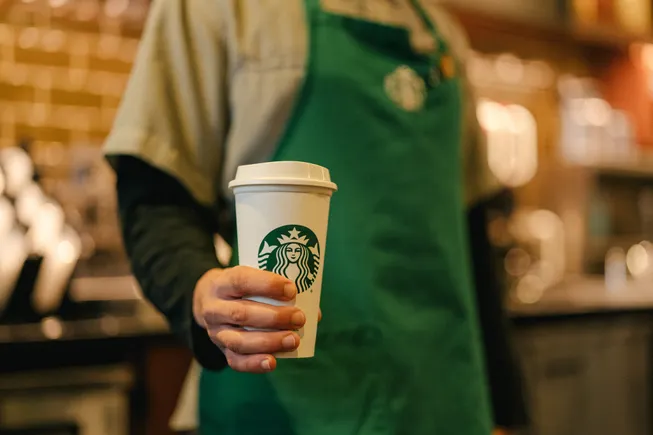
Starbucks, Target, and Kohl's all emphasize "good every time" rather than "good most of the time" in improving customer experience, using this to drive financial recovery. This article outlines the consistency strategy paths of these three retail giants.

According to Forrester's latest 2026 Global Comprehensive Experience Ranking, USAA provides the best overall experience among US brands. In the retail industry, Chewy, Home Depot, and Costco lead the way. The ranking is based on over 350,000 consumer perception data points, covering more than 400 brands.