


Technology

Hilton is investing in its tech stack to prepare for agentic AI, which CEO Christopher Nassetta expects to revolutionize customer experiences and reduce costs. The hotel chain is testing solutions that connect physical and digital experiences, and Nassetta likens AI agents' impact to that of the internet. Hilton launched a generative AI-powered digital concierge in beta in March and appointed Jeff Moore as CTO. The company reported a strong Q3 2026 with comparable RevPAR up 5.8% year over year and net income of $536 million.

More than half of multilingual shoppers say they have abandoned a potential purchase because the digital experience felt poorly localized, according to a survey of 800 U.S. consumers released by Liferay. Companies often underestimate the difference between translation and localization, says Yotam Levy of Liferay. Even when translations are rated good or excellent, over half of respondents have walked away from purchases, and less than a quarter say non-English websites usually feel like they were written for them. Nine in 10 respondents have noticed at least one issue with a website or app. Levy recommends using AI as a starting point for translation, followed by native speaker review, as Walmart does. Surveys can also gather specific feedback from affected customers.

A Metrigy study shows that 38% of consumers stop working with a company after a single bad experience. To meet high expectations, businesses are adopting various AI customer service tools, but tool stacking leads to system fragmentation, data silos, and inconsistent experiences. Based on a GoTo blog post, this article systematically outlines the hidden costs of fragmented CX—from the 'swivel chair effect' to security vulnerabilities and obstacles to future scaling—and emphasizes that integrating all channels on a unified platform and enabling AI to collaborate across touchpoints is key to building long-term customer loyalty.
A global survey released by Syndigo on Wednesday shows that ratings and reviews (53%) have surpassed discounts (49%) as the top factor in consumers' online purchase decisions, with product descriptions following closely (52%). An Info-Tech research director noted that accurate product information and reviews reduce uncertainty, and AI search tools are heightening the importance of information accuracy.

Bank of America executives noted during the Q2 2026 earnings call that digital channels are strengthening customer interaction and driving consumption. Erica chatbot active users increased 23% year-over-year to 24.6 million, with digital sales share rising from 65% to 70%, highlighting digital engagement as a differentiating advantage.

A recent survey covering more than 4,000 consumers reveals that brands fail to meet customer expectations in transparency, perceived intent, and human accountability in digital experiences. 95% of consumers expect brands to act in their best interests, but only 62% believe brands perform well in balancing customer and business priorities.

Facing pressure from a 12.8% decline in same-store sales, Sweetgreen is seeking a balance between digitalization and personalized service by strengthening service training, optimizing restaurant floor layouts, and adjusting the placement of self-order kiosks. Company executives emphasize that technology should support rather than replace human interaction, which is central to its transformation strategy.
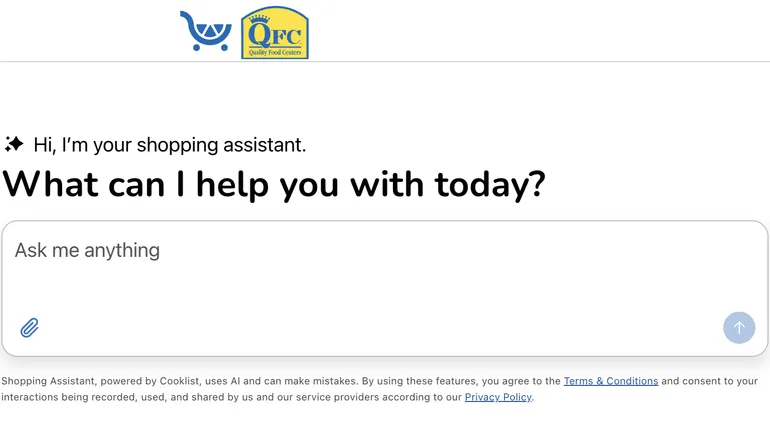
Since its founding in 2018, Cooklist has focused on developing AI-driven shopping assistants and now partners with major grocery retailers like Kroger and Wegmans to provide automated shopping cart construction services. This technology covers over 700 stores and plans for further expansion.
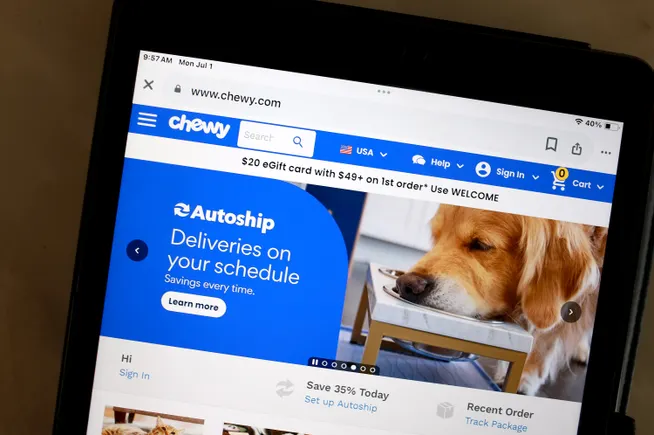
Chewy's Autoship subscription service performed strongly in Q1 FY2026, with sales growing over 10% year-over-year, far exceeding the company's overall net sales growth of 7.7%, and accounting for 84.4% of total quarterly net sales. CEO Sumit Singh noted that subscription investments drive repeat purchases and incremental sales, boosting net sales per active customer. Despite a weak consumer environment, the company still added nearly 200,000 net new customers, bringing total active customers to 21.5 million. The Chewy+ paid membership program currently has a neutral impact on company performance, and the company is closely evaluating its results. Analysts caution that if the economy continues to weaken, consumers may cut back on subscription services, but Chewy remains optimistic about growth opportunities.

During its Q3 fiscal 2026 earnings call, Costco stated that personalized product recommendation carousels contributed nearly $500 million in digital sales, with conversion rates three times the norm. The company also faced the challenge of slightly lower online membership renewal rates, but mitigated the impact through targeted strategies.