


Strategy

AI and other technologies are making it easier for companies to deliver baseline CX capabilities, raising operational floors. Qualtrics research shows most executives expect seamless omnichannel experiences and fast response times to become table stakes by 2030. As switching brands becomes simpler, CX leaders must make the case for experience across the business, emphasizing emotional experience as a differentiator. Building trust requires cross-functional collaboration and translating experience metrics into business outcomes.

As brands navigate the fourth quarter, CX leaders emphasize the importance of focusing on customer goals rather than tools like AI, reflecting on past achievements, communicating CX impact to internal stakeholders, and using analytics to inform budget decisions for the coming year. Experts from Experience Investigators, Watermark Consulting, and Info-Tech Research Group provide actionable advice for closing out the year strong.

Overall store retail CX remained strong in Q3 2026, with 92% of consumers reporting they are happy or very happy with their experience, according to HappyOrNot data from 15 million in-store global feedback responses. However, consumer sentiment is trending downward from the prior quarter, with the share of satisfied consumers down half a percentage point from Q2 2026. The weakest benchmark was price perception, where 83% of consumers reported being happy or very happy, which weighed on other aspects of the experience. Shoppers were most pleased with customer service execution (98% satisfaction) and store environment (95%), while product selection and quality (88%) and transaction friction (87%) fell below the overall benchmark. Scott Erickson, EVP of global sales and U.S. lead at HappyOrNot, told CX Dive that rising prices make customers more aware of when and where store experiences sour, and that consistency is key to delivering on value. Target has recently emphasized consistency by improving inventory reliability and updating its associate-facing app. Erickson noted retailers can track store performance over the course of the day to improve consistency, as CX tends to drop later in the day due to factors like higher customer traffic, lack of leaders on duty and staffing that doesn't align with store needs.
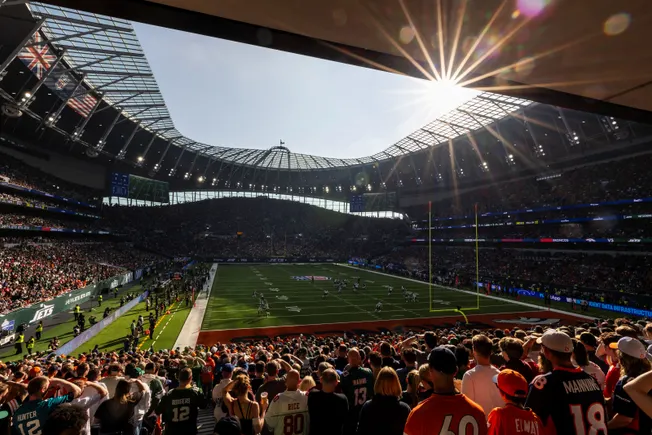
The National Football League (NFL) once faced user unsubscribes due to sending fans multiple nearly identical text messages. Now, the league has built a "fan engagement engine" based on Adobe's Real-Time Customer Data Platform, Journey Optimizer, and Customer Journey Analytics tools, integrating over 80 external systems across 32 teams to achieve intelligent orchestration and real-time delivery of messages at key moments such as schedule releases. This case reflects the industry trend of customer journey management evolving from static visualization to real-time orchestration and even predictive experiences.

Forrester reports show that CX budgets are evenly distributed across technology, data, initiatives, and services, but leaders plan to increase technology spending by more than 5%, with smaller increases for personnel and services. Experts warn that this 'scattered spending' model masks inefficient investments and recommend outcome-oriented, cross-functional collaborative budget planning.

Surveillance pricing adjusts prices dynamically based on personal data, which may raise fairness concerns and erode customer trust. The U.S. Federal Trade Commission (FTC) has paid attention to this practice, and multiple states have enacted legislative restrictions. Experts point out that differential pricing contradicts perceptions of fairness and poses a hidden risk to customer experience.
Kohl's announced on Tuesday the promotion of current Chief Digital Officer Arianne Parisi to Chief Customer Officer, a newly created position. Parisi will report to CEO Michael Bender and will be responsible for overseeing loyalty, personalization, marketing, and other omnichannel customer experience optimizations. Meanwhile, Chief Marketing Officer Christie Raymond will depart in September. The company is accelerating its turnaround strategy by integrating marketing and digital functions.
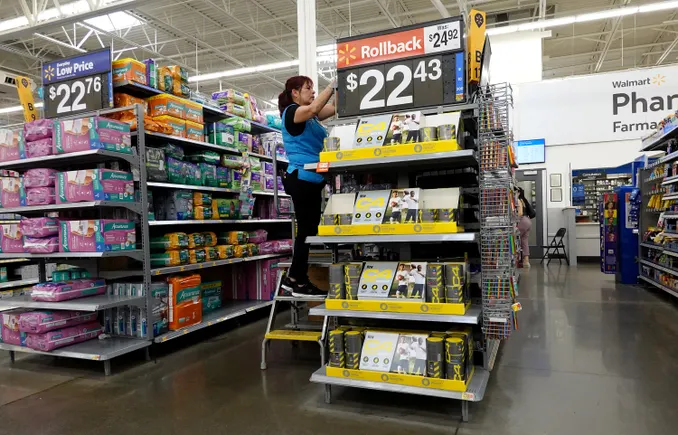
The retail industry is making 'speed' and 'consistency' the core of experience optimization. Walmart emphasizes faster delivery and omnichannel operations, while Target focuses on inventory stability and consistent in-store experiences. Kearney experts point out that younger consumers view time as a precious resource, and stockouts erode trust. Meanwhile, retailers are investing in employees and AI tools to balance efficiency and friendly service, aiming to stand out in the competitive landscape.

Tiered loyalty programs are increasingly popular among businesses and consumers, but the key to success lies in balancing exclusivity with accessibility. Experts point out that poorly designed tiers can weaken consumer motivation, and reward mechanisms based on spending rather than loyalty may also backfire.
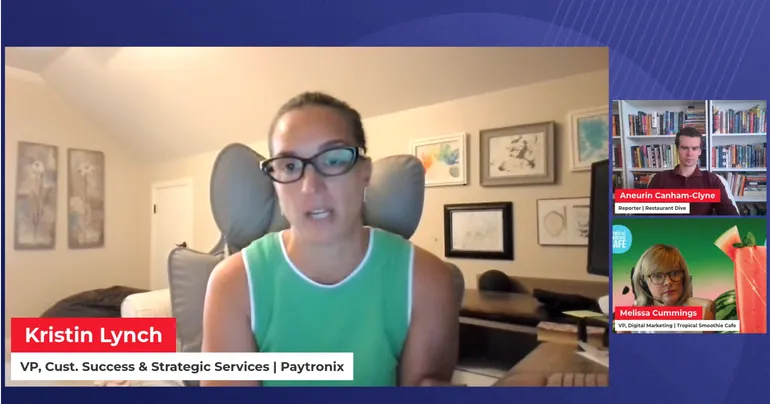
Restaurant loyalty programs are undergoing a transformation from points transactions to personalized experiences. Experts emphasize that combining artificial intelligence, gamification elements, and tiered rewards can effectively boost customer engagement. Tropical Smoothie Cafe's Tropic Rewards program achieves a balance between retention and profitability through strategies such as points, badges, and member-exclusive events. The article also notes that loyalty programs need to consider franchisee interests, avoid excessive discounts, and focus on a consistent omnichannel experience.