


Personalization
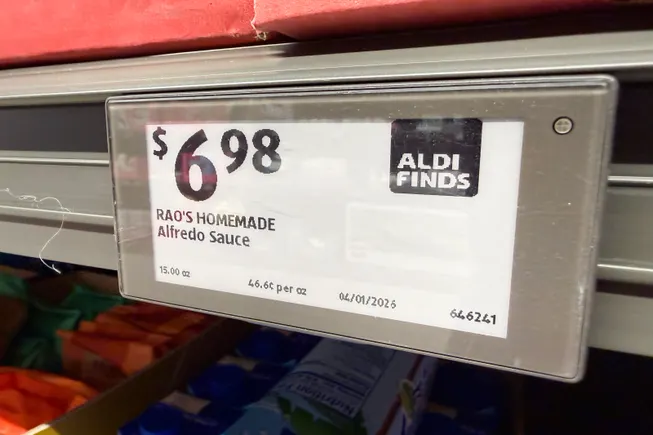
FMI — The Food Industry Association and the National Grocers Association submitted comments to the FTC urging more precision in its proposed enforcement policy on personalized pricing. FMI warned the policy risks capturing established grocery pricing practices, loyalty programs, waste-reduction markdowns, and price-accuracy technology. NGA called for distinguishing personalized pricing—which uses personal data to raise prices toward a shopper's maximum willingness to pay—from personalized promotions like coupons that lower prices. Both groups defended electronic shelf labels as price tags that ensure accuracy, not pricing strategies, and asked the FTC for clearer compliance standards and reduced enforcement burden if a final statement is issued.
QSR and InTouch deployed mystery shoppers to 13 major quick-service restaurant brands across 2,145 trips. When service was friendly, 99% of shoppers reported overall satisfaction with the drive-thru experience, compared to 83% for neutral service and about 27% for 'not friendly' service. Dutch Bros Coffee was the friendliest brand, followed by Chick-fil-A and Starbucks; these three also ranked highest for overall satisfaction, with Starbucks topping that metric. Perceived speed also matters: when orders arrived quicker than expected, nearly two-thirds were very likely to recommend the brand and 97% were satisfied, versus 13% and 82% when slower than expected. Personalization raised satisfaction from 93% to 98%, and friendly experiences contribute to perceived value.
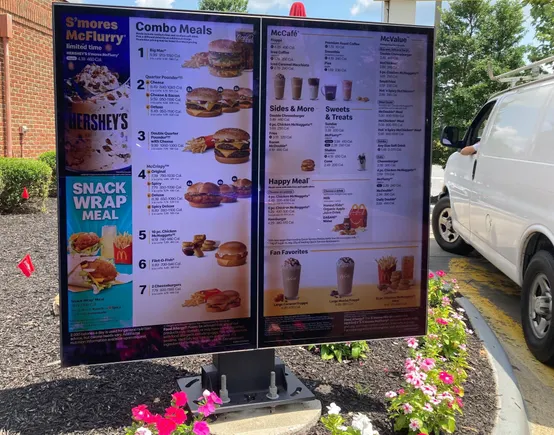
McDonald’s has denied claims that it uses artificial intelligence to set menu prices or engages in dynamic pricing, according to a press release. The company responded to reports from Reuters and other outlets that it was using AI to estimate customer willingness to pay based on transaction data from 14,000 locations. McDonald’s stated it provides franchisees with tools, resources, research, and recommendations to help them make informed pricing decisions, but does not change prices in real-time or at different hours. Franchisees have long set prices based on market trends, leading to variations across U.S. restaurants, such as the Big Arch Burger LTO priced between $8 and $9. The chain also uses digital menu boards to highlight limited-time offers and display item availability. McDonald’s reiterated its value standards and noted its evaluation of franchisee pricing decisions started earlier this year. In September, the company launched its Next strategy, including an $8.5 billion investment through 2036 and the debut of ArchIQ, an AI-powered restaurant operating system for drive-thru voice AI and inventory tracking. This follows similar backlash faced by Wendy’s in 2024 over dynamic pricing plans.
Walmart is pushing back against allegations from the Groundwork Collaborative that it uses or plans to use digital shelf labels for dynamic or personalized pricing. In a letter to Groundwork President Lindsay Owens, Walmart EVP Dan Bartlett asked her to 'correct the record,' reiterating that Walmart does not and will not use digital shelf labels for individual or dynamic pricing. Owens responded that the confusion is of Walmart's own making, citing a Groundwork report on Walmart patents, including one granted in 2023 for remote controlling electronic shelf labels with dynamic pricing capabilities. Walmart said the patent describes a possible use but is not a plan, and that it will not use or renew it. The exchange follows a statement from Walmart CEO John Furner aiming to dispel concerns, and comes as personalized pricing gains regulatory attention.

A Site Impact survey of 800 consumers finds that only about one-quarter feel brands understand their interests very well, while over half say brands misunderstand them or fail to update data quickly enough. Nearly three in five regularly receive marketing for items they viewed once but never seriously considered, and a quarter are frustrated by brands assuming a single search implies lasting interest. Even helpful personalization can feel invasive: nearly one-third say it has become more relevant but also more invasive, and three in five find cross-channel marketing annoying or invasive. Transparency and customer control over data are key to avoiding creepiness, according to Julie Geller of Info-Tech Research Group. More than two in five consumers have stopped doing business with a brand due to repetitive, overly personal, or off-base personalized marketing, and another third have been tempted to leave.

PNC Bank developed a new mobile app based on a personalization philosophy, adding features while avoiding interface clutter. The app is being rolled out in phases, first covering FirstBank converted customers and select markets, with plans for full launch by late summer. The app supports dark mode, data insights, and other features, and for the first time uses AI agents to assist in development.
Petco reported a 0.7% year-over-year increase in comparable sales in the first quarter of 2026, with net sales reaching $1.5 billion. During the earnings call, CEO Joel Anderson noted that the company strengthened omnichannel connections between stores and services by improving personalized recommendations and the online checkout experience, and plans to relaunch the Petco Perks loyalty program this quarter.

PwC research shows that Generation Alpha (about 1 in 4 children place orders independently, and 97% make autonomous decisions at least sometimes) is reshaping household purchasing processes. Customer experience leaders need to redesign strategies to support parent-child collaborative decision-making and focus on digital discovery scenarios.
Duolingo co-founder and CEO Luis von Ahn said during the Q1 2026 earnings call that the company drives word-of-mouth referrals and retention by improving the free user experience. New features include speaking tokens, flashcards, and speaking adventures, covering both free and paid subscriptions. Daily active users grew 21% year-over-year to 56.5 million, and paid subscribers grew 21% year-over-year to 12.5 million.