


Latest news

Lauren Littlefield, Managing Director at Deloitte Consulting, said in a recent interview that bank customer service centers are one of the most promising areas for AI transformation, but deployment must be cautious, aiming to enhance experience rather than merely cut costs. She emphasized that AI applications should be based on customers' specific tasks and intent, not customer segmentation; she also warned that multi-channel AI based on different knowledge bases could lead to information conflicts, undermining customer trust.
Workforce Management (WFM) has relied on manual intervention at every step for three decades, whereas Agentic WFM achieves continuous monitoring, proactive alerting, and automated execution of routine tasks by connecting data, AI, and automation. Based on McKinsey's 2025 AI report (62% of enterprises remain in early experimental stages) and BCG analysis (more jobs are being reshaped rather than replaced), and incorporating real-world cases such as DraftKings, the article elaborates on the three-stage evolution of Agentic WFM, its practical forms, and its profound impact on the role of WFM professionals—shifting from operational execution to orchestration, judgment, and accountability.

In 2026, the performance metrics for AI virtual agents in contact centers are undergoing a fundamental shift: from traditional call transfer rates to end-to-end resolution rates. The industry no longer measures success by reducing the number of human interactions, but rather by whether customer issues are truly resolved. Modern AI virtual agents, powered by large language models, retrieval-augmented generation, and real-time system integration, possess cross-channel contextual memory, intelligent handoff, and multi-step operational execution capabilities, enabling them to autonomously resolve issues within enterprise-defined guardrails. Based on Metrigy research data, this article analyzes the three core capabilities of a resolution-first strategy and explores their strategic impact on customer satisfaction, employee burnout, and operational costs.
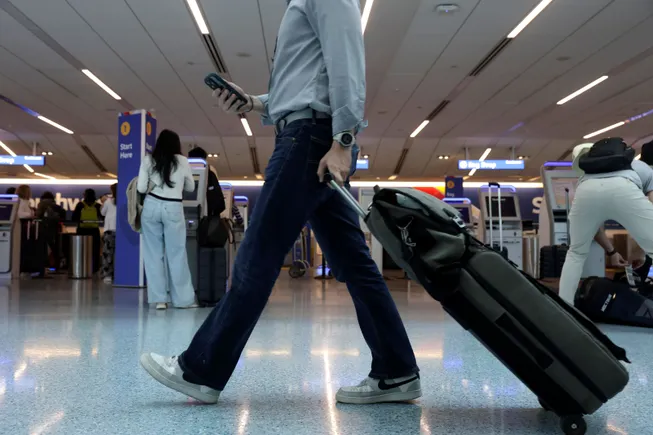
In its Q2 2026 earnings report, Southwest Airlines disclosed that its frequent flyer program Rapid Rewards saw a 35% year-over-year increase in membership, approaching 100 million, with tier members and Chase co-branded credit card accounts also setting records. The CEO stated that customer engagement metrics rose across the board, indicating that product adjustments have gained market recognition.
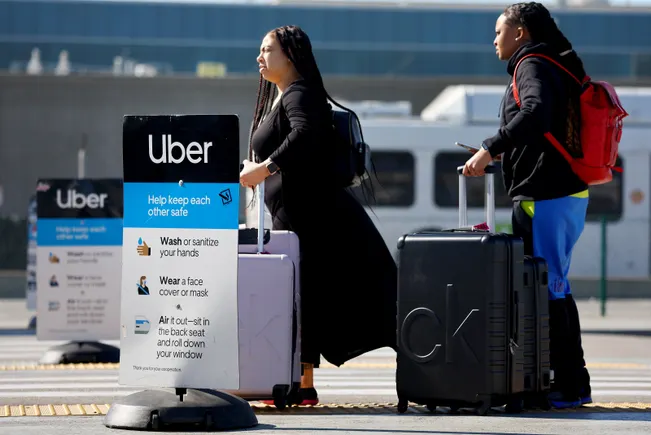
Uber cuts 10% of customer service positions and mandates remote employees to return to offices to streamline operations and embrace AI. The company describes this as a business restructuring to pave the way for future AI success. Analysts note that many enterprises use AI as a pretext for layoffs, actually adjusting cost structures. Forrester predicts AI will eliminate half of customer service roles by 2030, but cases like Klarna show that some companies may rehire due to poor AI implementation.
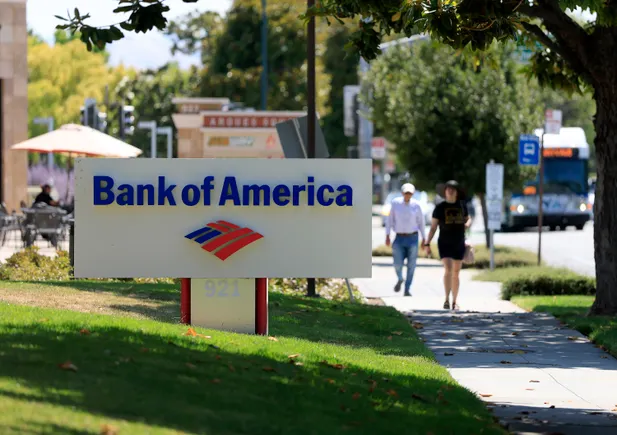
Bank of America announced on Tuesday that it has introduced generative artificial intelligence capabilities to EricaAssist, the AI assistant used by its customer service employees, allowing it to provide personalized guidance within seconds to help employees respond to customer needs more quickly and efficiently. The bank said the new feature is now live and plans to expand it to more service scenarios and business lines within the year.
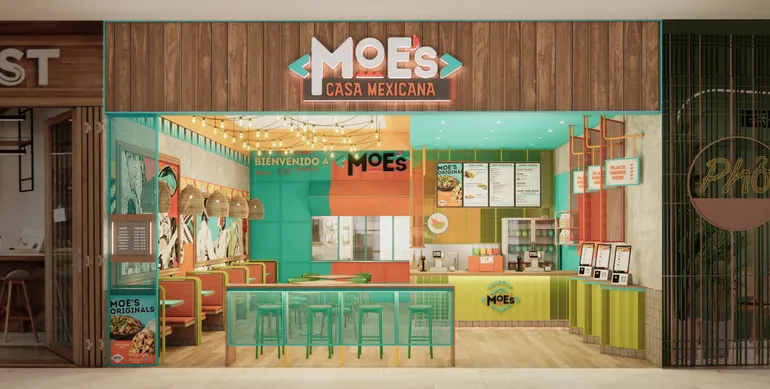
This article explores how Moe's Casa Mexicana uses music design to enhance overseas customer experiences. Brittany Metcalfe, international brand marketing director at the brand's parent company GoToFoods, states that music is part of the brand's DNA, needing to balance Mexican flair with local trends. Customer experience expert Shep Hyken emphasizes that background music is a brand detail, and appropriate music can strengthen memorability and attract repeat customers.
After Alaska Air Group completed the migration to a single passenger service system in the second quarter of 2026, its net promoter score reached an industry-leading level, with overall passenger satisfaction improving by 7 percentage points quarter-over-quarter and Hawaiian Airlines satisfaction rising by 10 percentage points. Despite fuel costs surging 85% year-over-year, the company returned to profitability in June, with second-quarter revenue of $4.1 billion, up 10% year-over-year.

A Five9 survey of 3,000 consumers found that clear human agent transfer paths significantly boost consumer trust in and willingness to use AI customer service. Even when the AI technology's effectiveness remains unchanged, trust doubles when a human option is present. Additionally, 41% of consumers said they would reduce their usage if a company used AI customer service, and this rose to 53% when no human option was available. Experts emphasize that disclosure and human support are key to building trust.
Bank of America launched its no-annual-fee rewards program, BofA Rewards, at the end of May. To date, over 3 million customers have registered, with nearly one-third participating in transactions, marking an almost threefold increase in engagement compared to the past. The program eliminates the $20,000 minimum asset threshold, requiring only a qualifying checking account to join, aiming to reduce barriers for Gen Z participation. Retail and gas transactions account for the majority of engagement, at 45% and 20%, respectively. Surveys show that 80% of Gen Z customers plan to use rewards to fund travel. The bank stated that the program not only offers financial rewards but also includes subscription points, lifestyle benefits, and access to premium events, adapting as customers progress through life stages.