


Latest news
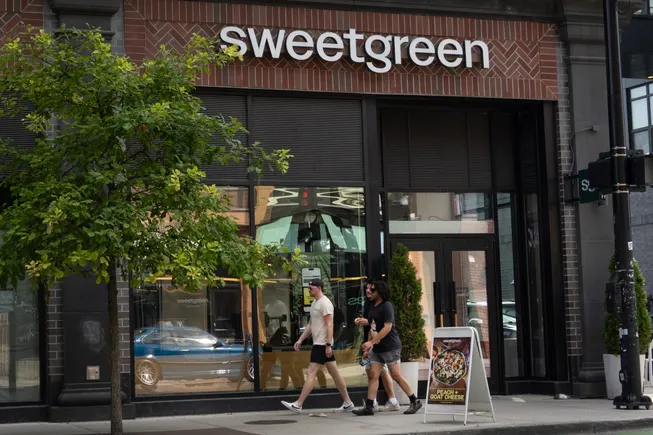
Facing pressure from a 12.8% decline in same-store sales, Sweetgreen is seeking a balance between digitalization and personalized service by strengthening service training, optimizing restaurant floor layouts, and adjusting the placement of self-order kiosks. Company executives emphasize that technology should support rather than replace human interaction, which is central to its transformation strategy.
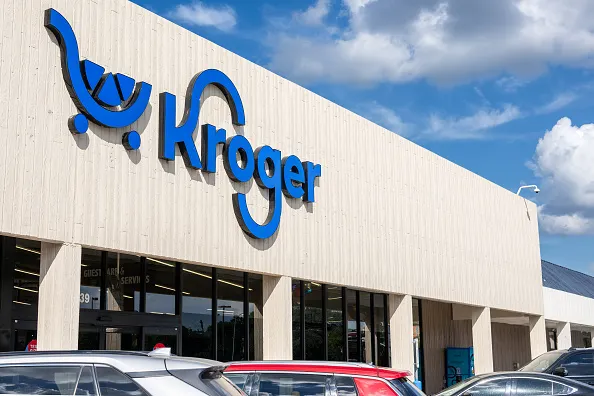
Kroger CEO Greg Foran noted on the Q1 2026 earnings call that the company is working to narrow the experience gap between its best-performing stores and others by investing in employees, technology, and simplifying promotional strategies, aiming to create a faster, friendlier, and more consistent customer experience to attract consumers in an environment of more cautious spending.

An increasing number of brands are using AI-generated synthetic data to simulate the real world in order to understand customers. According to a Qualtrics report, 41% of market researchers already use synthetic data to supplement or replace human respondents, and 62% plan to use it. However, experts caution that synthetic data still has limitations in accuracy and applicable scenarios, and customer experience teams need to evaluate it carefully.
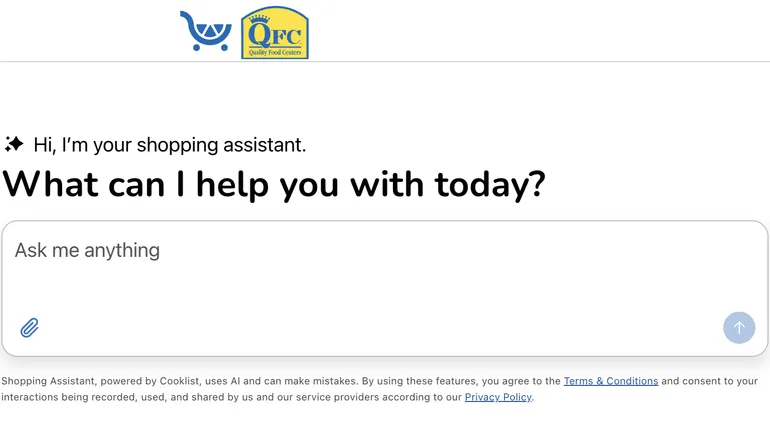
Since its founding in 2018, Cooklist has focused on developing AI-driven shopping assistants and now partners with major grocery retailers like Kroger and Wegmans to provide automated shopping cart construction services. This technology covers over 700 stores and plans for further expansion.

Starbucks, Target, and Kohl's all emphasize "good every time" rather than "good most of the time" in improving customer experience, using this to drive financial recovery. This article outlines the consistency strategy paths of these three retail giants.

According to Forrester's latest 2026 Global Comprehensive Experience Ranking, USAA provides the best overall experience among US brands. In the retail industry, Chewy, Home Depot, and Costco lead the way. The ranking is based on over 350,000 consumer perception data points, covering more than 400 brands.

Voice of the Customer (VoC) programs may seem simple, but truly effective ones require deep exploration of customer needs, going beyond surface-level data. This article draws on insights from Community Health Network and West Monroe experts to discuss how to achieve dual improvements in experience and operations by broadly collecting feedback, integrating employee input, and optimizing presentation methods.

Stitch Fix's active clients grew sequentially to 2.3 million in the third quarter of fiscal year 2026, the first quarterly sequential increase since 2021; net revenue increased 4.7% year-over-year to over $340 million, marking the fifth consecutive quarter of growth; net loss narrowed from over $7 million in the same period last year to $1.5 million.
According to a consumer sentiment survey released by EY-Parthenon on Tuesday, nearly two-thirds of U.S. consumers believe a recession is likely, and financial confidence has dropped 12% compared to six months ago. Consumers are adjusting budgets and cutting discretionary spending, making competition among brands more intense. Experts suggest brands should focus on existing customers, reactivate dormant customers, and seize opportunities to acquire new customers.

The World Cup brings a subscription peak to streaming platforms, but how to convert temporary subscriptions into long-term users tests the retention strategies of each platform. Experts suggest enhancing user stickiness by offering flexible subscription options, strengthening value communication, and personalizing the experience.