


Latest news

More than half of multilingual shoppers say they have abandoned a potential purchase because the digital experience felt poorly localized, according to a survey of 800 U.S. consumers released by Liferay. Companies often underestimate the difference between translation and localization, says Yotam Levy of Liferay. Even when translations are rated good or excellent, over half of respondents have walked away from purchases, and less than a quarter say non-English websites usually feel like they were written for them. Nine in 10 respondents have noticed at least one issue with a website or app. Levy recommends using AI as a starting point for translation, followed by native speaker review, as Walmart does. Surveys can also gather specific feedback from affected customers.
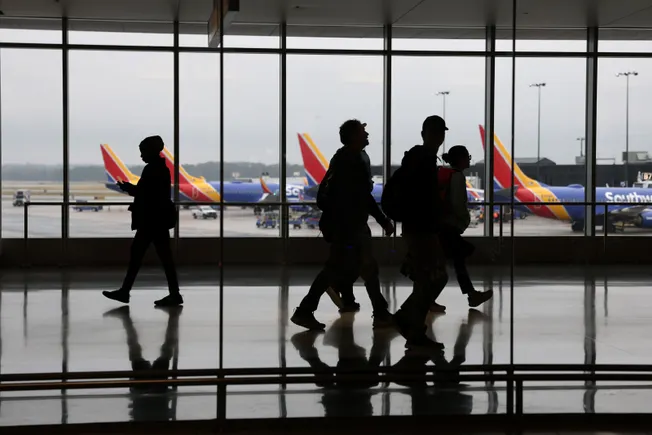
During its Q3 2026 earnings call, Southwest executives detailed initiatives to improve loyalty revenue, including a Rapid Rewards overhaul starting in 2027 with a new platinum tier, international point redemption, and ancillary purchases. The airline also plans a new premium credit card tied to upcoming lounges, fleet-wide Starlink Wi-Fi, and international partnerships. CEO Bob Jordan described these as a connected loyalty ecosystem, while CFO Tom Doxey noted the initiatives aim to improve loyalty revenue. Southwest reported Q3 2026 operating revenues of $8.4 billion, up 21.2% year over year, and net income of $270 million.
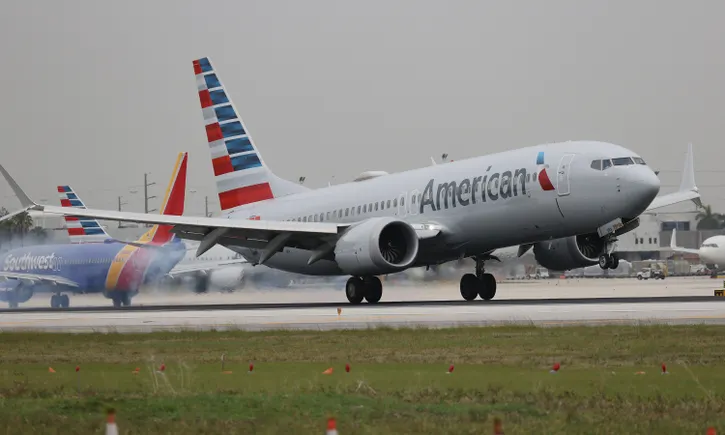
American Airlines executives said on a Q3 2026 earnings call that the carrier will continue investing in customer experience and premium options, two of four pillars in its economic strategy, to prepare for a strong 2027 despite mixed quarterly results. Revenue rose 19.3% year over year, ahead of guidance, but an adjusted net loss of $182 million resulted from a $1.9 billion increase in fuel expenses, up 67.5% year over year. CEO Robert Isom expressed confidence in the underlying business, citing commercial initiatives. The AAdvantage loyalty program saw enrollments up 27% year over year, with New York, Los Angeles and Chicago leading growth. Premium revenue rose 22.9% year over year, outpacing main cabin growth of 19.5%. CFO Devin May said CX investments support broader commercial initiatives rather than paying for themselves directly.

Overall store retail CX remained strong in Q3 2026, with 92% of consumers reporting they are happy or very happy with their experience, according to HappyOrNot data from 15 million in-store global feedback responses. However, consumer sentiment is trending downward from the prior quarter, with the share of satisfied consumers down half a percentage point from Q2 2026. The weakest benchmark was price perception, where 83% of consumers reported being happy or very happy, which weighed on other aspects of the experience. Shoppers were most pleased with customer service execution (98% satisfaction) and store environment (95%), while product selection and quality (88%) and transaction friction (87%) fell below the overall benchmark. Scott Erickson, EVP of global sales and U.S. lead at HappyOrNot, told CX Dive that rising prices make customers more aware of when and where store experiences sour, and that consistency is key to delivering on value. Target has recently emphasized consistency by improving inventory reliability and updating its associate-facing app. Erickson noted retailers can track store performance over the course of the day to improve consistency, as CX tends to drop later in the day due to factors like higher customer traffic, lack of leaders on duty and staffing that doesn't align with store needs.

An Acxiom survey of 4,000 U.S. and UK consumers and 700 business leaders reveals that 80% of brands find it challenging to manage customer experiences across multiple platforms, partners or providers. The issue stems from departmental silos that need better connection and poor coordination with external partners. Sean Muzzy, global president of Acxiom, advises CX leaders to create connectivity across IT, customer service and marketing teams, especially as enterprises adopt AI. Many companies still haven't fully connected backend systems, making it harder to provide seamless experiences and roll out AI agents. Signs of siloed data include customers being transferred between agents, inconsistent answers, and continued marketing after cancellation. A KPMG survey found only 5% of companies have fully integrated customer-facing functions. Acxiom's study also notes challenges in using AI to orchestrate customer interactions, including accountability and maintaining trust across providers.

Enterprises traditionally see BPOs as a cheaper way to provide customer service, but the biggest benefit is their specialized skills to help build and extend a brand. BPOs can offer operating leverage, expand support coverage, add specialized talent, improve response times, and scale capacity without building internal infrastructure. They also bring expertise from serving many clients, helping optimize processes and lower costs. When selecting a BPO, brands should prioritize industry knowledge and expertise, not just low cost, to find a partner that helps build their brand and where their voice is heard.
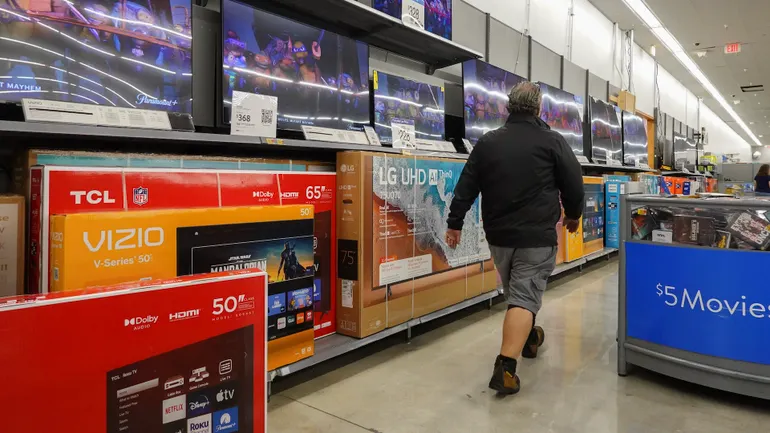
Walmart U.S. President and CEO David Guggina said advances in ambient AI automation and customer-facing applications like AI assistant Sparky are leading to gains in store execution, delivery speeds, average order value and conversion. Speaking at the Goldman Sachs Global Consumer and Retail Conference, Guggina noted Sparky drives 40% higher AOVs and weekly engagement grew 60% quarter over quarter, while visual search led to a 57% conversion spike versus text-based searches. He also highlighted partnerships with OpenAI’s ChatGPT and Google’s Gemini, which deep link to Walmart and yield high conversion rates, contrasting with Amazon’s blocking of third-party AI agents. Walmart’s e-commerce sales grew 24% year over year in Q2, the 10th consecutive quarter of over 20% growth.
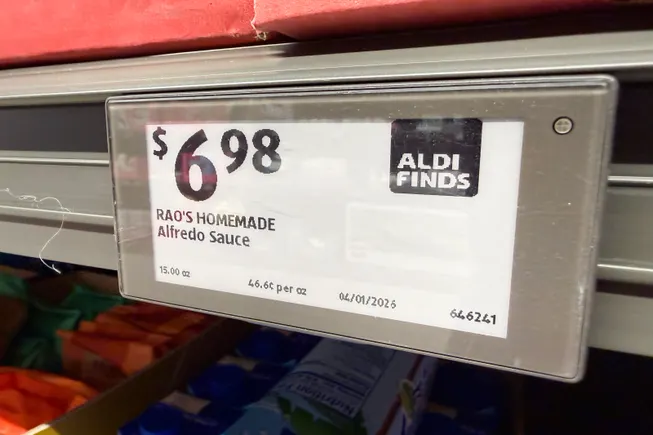
FMI — The Food Industry Association and the National Grocers Association submitted comments to the FTC urging more precision in its proposed enforcement policy on personalized pricing. FMI warned the policy risks capturing established grocery pricing practices, loyalty programs, waste-reduction markdowns, and price-accuracy technology. NGA called for distinguishing personalized pricing—which uses personal data to raise prices toward a shopper's maximum willingness to pay—from personalized promotions like coupons that lower prices. Both groups defended electronic shelf labels as price tags that ensure accuracy, not pricing strategies, and asked the FTC for clearer compliance standards and reduced enforcement burden if a final statement is issued.
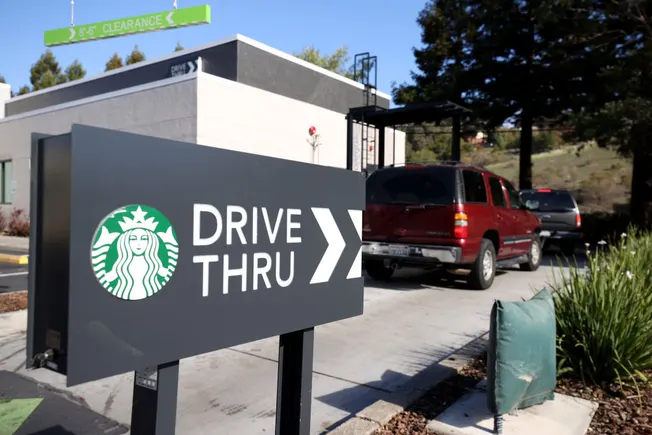
QSR and InTouch deployed mystery shoppers to 13 major quick-service restaurant brands across 2,145 trips. When service was friendly, 99% of shoppers reported overall satisfaction with the drive-thru experience, compared to 83% for neutral service and about 27% for 'not friendly' service. Dutch Bros Coffee was the friendliest brand, followed by Chick-fil-A and Starbucks; these three also ranked highest for overall satisfaction, with Starbucks topping that metric. Perceived speed also matters: when orders arrived quicker than expected, nearly two-thirds were very likely to recommend the brand and 97% were satisfied, versus 13% and 82% when slower than expected. Personalization raised satisfaction from 93% to 98%, and friendly experiences contribute to perceived value.
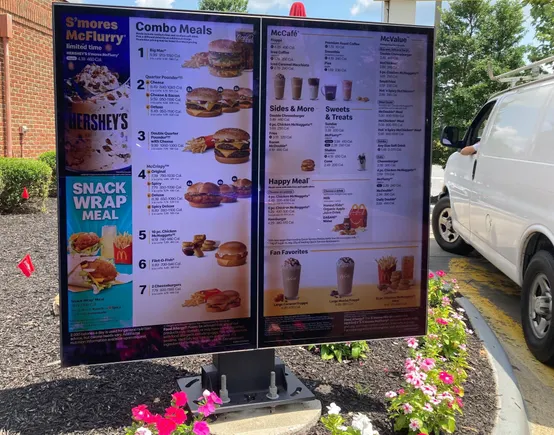
McDonald’s has denied claims that it uses artificial intelligence to set menu prices or engages in dynamic pricing, according to a press release. The company responded to reports from Reuters and other outlets that it was using AI to estimate customer willingness to pay based on transaction data from 14,000 locations. McDonald’s stated it provides franchisees with tools, resources, research, and recommendations to help them make informed pricing decisions, but does not change prices in real-time or at different hours. Franchisees have long set prices based on market trends, leading to variations across U.S. restaurants, such as the Big Arch Burger LTO priced between $8 and $9. The chain also uses digital menu boards to highlight limited-time offers and display item availability. McDonald’s reiterated its value standards and noted its evaluation of franchisee pricing decisions started earlier this year. In September, the company launched its Next strategy, including an $8.5 billion investment through 2036 and the debut of ArchIQ, an AI-powered restaurant operating system for drive-thru voice AI and inventory tracking. This follows similar backlash faced by Wendy’s in 2024 over dynamic pricing plans.